Friday, December 21, 2012

Take Action


Order our bumper sticker to show your support for transitioning to renewable energy and sustaining this world.


http://www.facebook.com/TransitionToRenewableEnergy?fref=ts
Join our Facebook page to become part of the community that has already taken the initiative in transitioning to renewable energy.


Show off your swag and checkout The Custom White T-Shirt I designed on CafePress.com. Not only are you swagilicious with this shirt, but you also show your support for transitioning to renewable energy.

 Bike week

       Start the month of May by being more green. While the season of Spring is at its peak and Summer is coming, there is no excuse to not go out and enjoy the beautiful weather of biking. We are dedicating the first week of May to exclusively biking rather than driving. An average person spends at least $55 dollars per week on gas due to the sky rocketing gas prices. If you can dedicate one week out of the 52 weeks in a year, you can save yourself $55 dollars. What can you do with those $55 dollars?
  • Bring a date on a nice dinner.
  • Watch an IMAX 3D movie with friends or a date
  • Purchase Itunes card
  • Save up for Starbucks for a week
  • Or you can even get a week's worth of gas

Friday, December 14, 2012

Global Warming and Pollution

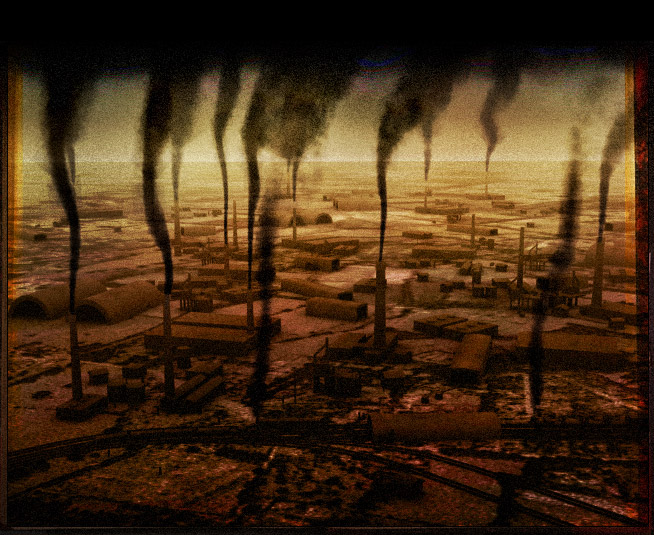
         Fossil fuels contain large amounts of carbon, hydrogen, and sulfur. The burning of these fuels produces large amounts of carbon dioxide as a byproduct. When automobiles and coal-burning power plants, burn fuels, high concentrations of carbon are released. The carbon reacts with oxygen in the atmosphere, producing carbon dioxide. Carbon dioxide contributes to global warming by absorbing heat energy from the Earth, trapping it and preventing its release into space. However, carbon dioxide does not absorb the light energy from the sun. In short, carbon dioxide lets in the light energy emitted by the sun but traps the Earth's heat energy. Rising levels of carbon dioxide mean that more of the Earth's heat energy is trapped, and thus there’s a rise in the global temperature. The burning process doesn't only emit excessive carbon into the air, it also pollutes the air with poisonous or dangerous substances to the human health. These clouds of pollution can easily spread affecting others from different regions.


Our Resources are Depleting

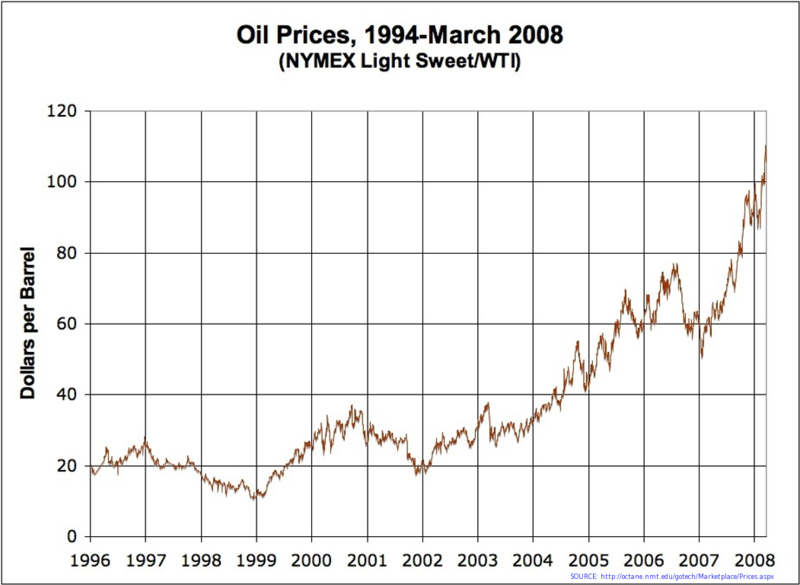
       81.4% of the world’s energy comes from natural gas, coal, and oil. Gas will last 50-60 more years, fossil fuel oil will last 40-50 more years, and coal will last 180-240 more years  The production and consumption of barrels of oil has gone into an inverse function as we are consuming more barrels of oil than we can produce. In 2010 consumption exceeded production by over five million barrels per day for the first year ever This does not only put us in destitute for oil, but it also increases the demand for oil. When demand goes up, price goes up; as a result on June 8, 2010 prices shot up to a one-month high of $118.59 per barrel Today it sits at $111.32 per barrel.
      The U.S. is now suffering an oil deficiency. At this time, we are now in the downward slope of a bell curve graph (Vinti). Oil is one of the U.S.’s main import that powers almost everything that is now beginning to lack. In 40 years the U.S. will run out of oil
This bell curve graphically demonstrates the decline of production in oil.

This graphically presents the price of oil going up as it has slowly become a scarcity.

The Energy Gap


      One of the largest controversies today is that we are running out of energy to power the planet. This is because many of these resources, that provide energy, are depleting. The majority of our energy comes from natural gas, coal, and oil; all which are from fossil fuels. Fossil fuel is non-renewable due to the rate at which their depletion is greater than their regeneration. For example, fossil fuels are from ancient and deceased plants and animals that have been eroded down by many years of weather. Unfortunately even with the technology that the human populace control and own, we cannot create new supplies of gas, coal, or oil at the rate in which we consume it. This inverse rate is known as the energy gap: when the situation in which we cannot produce enough power for our needs. Not only is there a gap of energy within these resources, non-renewable resources also emit an excess of carbon into the atmosphere, which has resulted to a rise in the Earth’s temperature. The problem states itself clearly; the human population is running out of energy and nonrenewable resources are polluting the world. The solution is, we must switch to renewable energy.